


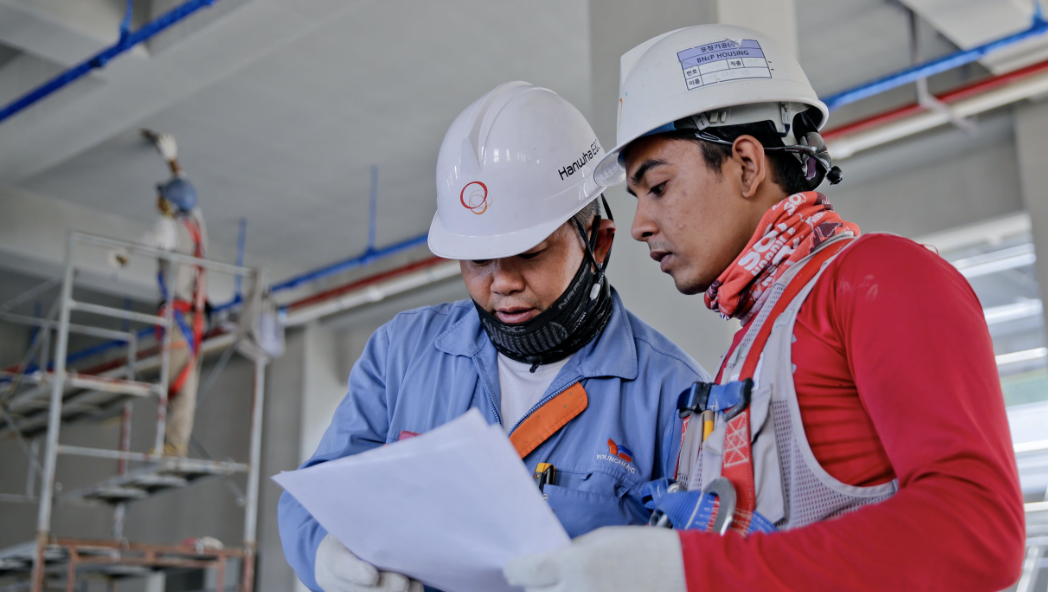
Heating, ventilation, and air conditioning (HVAC) is an important skilled trade in Canada. HVAC professionals help install, maintain, repair, and service systems that control temperature, ventilation, and indoor air quality in residential, commercial, and industrial buildings.
For international students interested in practical technical education, studying HVAC in Canada can provide hands-on training in heating and cooling systems, refrigeration, ventilation, electrical components, troubleshooting, and workplace safety.
For students planning to Study in Canada, an HVAC program can be a career-focused pathway into the skilled trades.
APPLY TO STUDY IN CANADA TODAY
Why Study HVAC in Canada?
HVAC systems are used in homes, offices, factories, commercial buildings, institutions, and other facilities. Training in this area can give students a combination of mechanical, electrical, technical, and problem-solving skills.
Depending on the program, students may develop skills in:
- Heating systems
- Air conditioning
- Ventilation
- Refrigeration
- HVAC controls
- Electrical fundamentals
- Mechanical systems
- Pipe and duct systems
- Equipment installation
- Preventive maintenance
- Troubleshooting and repair
- Technical drawings
- Workplace safety
For students considering Canada study abroad, HVAC can be an attractive alternative to traditional academic programs because of its practical and technical focus.
What Do You Learn in an HVAC Program?
The curriculum varies between institutions, but HVAC programs generally combine classroom instruction with laboratory and hands-on training.
1. HVAC Fundamentals
Students begin with the basic principles of heating, ventilation, and air conditioning.
They may learn how different HVAC systems operate and how their mechanical and electrical components work together.
2. Heating Systems
Students can learn about different types of heating equipment and systems used in buildings.
Training may cover installation, operation, maintenance, troubleshooting, and repair procedures.
3. Air Conditioning
Air-conditioning training introduces students to systems used to cool and condition indoor spaces.
Students may learn about components, installation procedures, system operation, maintenance, and troubleshooting.
4. Refrigeration
Refrigeration is closely connected to HVAC technology.
Students can learn the principles behind refrigeration cycles, components, equipment, system maintenance, and troubleshooting.
5. Ventilation
Ventilation helps control indoor air movement and air quality.
Students may learn about ventilation equipment, ductwork, airflow, system installation, and maintenance.
6. Electrical Fundamentals
Many HVAC systems contain electrical components and controls.
Students may develop basic electrical knowledge involving circuits, wiring, motors, controls, testing equipment, and electrical safety.
7. HVAC Controls
Modern HVAC systems use controls to regulate temperature, airflow, and equipment operation.
Students may learn about thermostats, sensors, control systems, and other components used to operate HVAC equipment.
8. Installation and Maintenance
Practical training can teach students how to install, inspect, maintain, and service HVAC equipment.
Students can also learn preventative maintenance practices designed to help equipment operate efficiently and safely.
9. Troubleshooting
HVAC technicians need strong problem-solving skills.
Students may learn how to identify system faults, test components, interpret equipment information, and determine appropriate repair procedures.
10. Safety and Technical Standards
Safety is an important part of HVAC education.
Students learn safe procedures for working with mechanical equipment, electricity, refrigerants, tools, and other workplace hazards.
Types of HVAC Programs in Canada
International students may find several related educational pathways.
HVAC Certificate Programs
A certificate program can provide focused training in HVAC fundamentals and practical skills.
Program length and curriculum vary by institution, so students should review the specific program before applying.
HVAC Diploma Programs
A diploma can provide broader technical training covering heating, air conditioning, refrigeration, ventilation, controls, installation, maintenance, and troubleshooting.
This can be suitable for students who want more comprehensive preparation for the HVAC field.
HVAC Technology Programs
HVAC technology programs can combine practical training with more advanced technical knowledge.
Some programs may place greater emphasis on system design, controls, energy efficiency, refrigeration, and technical problem-solving.
Refrigeration and Air Conditioning Programs
Students who are particularly interested in cooling and refrigeration can consider programs specializing in refrigeration and air-conditioning systems.
These programs may cover both residential and commercial applications.
Is HVAC Eligible for a PGWP?
PGWP eligibility is an important consideration for international students who plan to work in Canada after graduation.
Canada’s current PGWP field-of-study list includes Heating, Ventilation, Air Conditioning and Refrigeration Engineering Technology/Technician (CIP 15.0501) and Heating, Air Conditioning, Ventilation and Refrigeration Maintenance Technology/Technician (CIP 47.0201) as eligible trade fields.
However, being in an eligible field does not automatically guarantee a Post-Graduation Work Permit.
Students must satisfy all applicable PGWP requirements. Canada’s official DLI list explains that not every program offered by a designated learning institution is PGWP eligible, so students should verify the specific program before enrolling.
For students subject to the PGWP field-of-study requirement, the program’s six-digit Classification of Instructional Programs (CIP) code is important. Canada recommends confirming the code with the institution and checking it against the current eligible list. The 2026 field-of-study list is frozen, meaning no eligible fields are being added or removed during 2026.
Most PGWP applicants also need to provide proof of language results, and other eligibility requirements apply.
Students should therefore verify the exact HVAC program, DLI status, CIP code, and current PGWP requirements before applying.
Admission Requirements for HVAC Programs
Admission requirements vary by institution and program.
International students may need:
- Secondary school completion or equivalent
- Academic transcripts
- Proof of English-language proficiency
- Mathematics prerequisites
- Passport and identification documents
- Other documents requested by the institution
Some HVAC programs may have additional mathematics, science, or technical prerequisites.
Always check the current admission requirements of your chosen institution.
Career Opportunities After Studying HVAC
HVAC education can prepare students for opportunities in residential construction, commercial buildings, industrial facilities, maintenance, refrigeration, and building services.
Depending on their education, experience, qualifications, and applicable provincial or territorial requirements, graduates may pursue roles such as:
- HVAC technician
- Heating technician
- Air-conditioning technician
- Refrigeration technician
- HVAC installer
- HVAC maintenance worker
- Building maintenance technician
- Refrigeration and air-conditioning mechanic
- Heating and cooling systems installer
With additional experience and appropriate qualifications, tradespeople may progress toward specialized or supervisory positions.
Apprenticeship and Trade Certification
International students should understand that completing an HVAC program and becoming a certified tradesperson are not necessarily the same thing.
Apprenticeship and trade-certification requirements are administered by provinces and territories, and requirements can differ depending on where you intend to work.
Students planning a long-term HVAC career should research the applicable apprenticeship, examination, work-experience, licensing, and certification requirements in their chosen province or territory.
How to Choose the Best HVAC Program in Canada
1. Review the curriculum
Compare the actual courses offered by each institution. Look for training in heating, cooling, refrigeration, ventilation, controls, electrical systems, maintenance, and troubleshooting.
2. Prioritize hands-on training
HVAC is a practical trade. Look for programs that provide workshops, laboratories, equipment practice, projects, and other applied learning opportunities.
3. Verify the institution’s DLI status
If you require a Canadian study permit, confirm that your institution is on Canada’s official DLI list. You need a letter of acceptance from a DLI to apply for a study permit.
4. Check PGWP eligibility
If you plan to work in Canada after graduation, verify the specific program’s PGWP eligibility rather than assuming that the institution’s DLI status is enough.
5. Confirm the CIP code
If the field-of-study requirement applies to you, confirm the program’s six-digit CIP code and check Canada’s current eligible list.
6. Compare costs and location
Consider tuition, accommodation, transportation, food, insurance, and other living expenses when comparing Canadian programs.
Common Mistakes International Students Should Avoid
Avoid these mistakes when planning to study HVAC in Canada:
- Choosing a program without reviewing its curriculum
- Assuming all HVAC programs are identical
- Assuming DLI status automatically guarantees PGWP eligibility
- Failing to verify the program’s CIP code when applicable
- Choosing a program with limited practical training
- Ignoring mathematics or technical prerequisites
- Failing to research provincial trade requirements
- Focusing only on tuition
- Underestimating living expenses
- Assuming a diploma automatically makes you a certified HVAC technician
Final Thoughts
Studying HVAC in Canada can be a practical option for international students interested in heating, cooling, refrigeration, ventilation, mechanical systems, and skilled trades.
Students can develop technical and hands-on skills in areas such as HVAC installation, maintenance, electrical components, refrigeration, controls, troubleshooting, and safety.
Canada’s current PGWP field-of-study framework includes HVAC-related fields such as Heating, Ventilation, Air Conditioning and Refrigeration Engineering Technology/Technician and Heating, Air Conditioning, Ventilation and Refrigeration Maintenance Technology/Technician. Students must still satisfy all applicable PGWP requirements and verify the specific institution and program before enrolling.
If you are planning to Study abroad in Canada, compare the curriculum, practical training, admission requirements, costs, DLI status, CIP classification, provincial trade requirements, and current immigration rules before making your decision.
APPLY TO STUDY IN CANADA TODAY
SEO Keywords
Study in Canada, Study in Canada for international students, Canada study abroad, Study abroad in Canada, Study in Canada international students, study HVAC in Canada, HVAC programs in Canada, HVAC courses in Canada, HVAC diploma Canada, HVAC certificate Canada, HVAC for international students, HVAC technician Canada, heating and air conditioning Canada, refrigeration programs Canada, HVAC technology Canada, HVAC training Canada, skilled trades programs Canada, trade programs in Canada, Canadian colleges for international students, Canada education.
Tags
Study HVAC in Canada, HVAC Canada, HVAC Programs Canada, HVAC Diploma Canada, HVAC Courses Canada, HVAC Technician Canada, Heating and Air Conditioning Canada, Refrigeration Canada, HVAC Technology Canada, Skilled Trades Canada, Trade Programs Canada, Study in Canada, International Students in Canada, Canadian Colleges, Canada Study Abroad, Canada Education
